.png?width=80&height=80&name=Clove%20Dental%20White%20Small%20(28).png "Clove Dental White Small (28)")
Oral probiotics are lozenges, chewable tablets, or dissolving strips containing beneficial bacteria strains that temporarily colonize the mouth to support oral health. Unlike gut probiotics, which are swallowed to colonize the digestive tract, oral probiotics dissolve directly on oral surfaces. Research is still early, but strains like Lactobacillus and Streptococcus salivarius show promise for reducing harmful bacteria, supporting gum health, and improving breath.
Key Takeaways
- Oral probiotics introduce beneficial bacterial strains into the mouth to compete with disease-causing bacteria, a different mechanism from cleaning or antibiotics.
- Patients most likely to benefit include those with a history of gum disease, recurring cavities or chronic bad breath that doesn't resolve with hygiene alone.
- The most common mistake with oral probiotics is swallowing them like gut supplements rather than allowing them to dissolve in the mouth for direct oral colonization.
- Oral probiotics support preventive care, they don't replace professional teeth cleaning in Beverly Hills or treat established gum disease on their own.
If you've ever taken a probiotic for digestive health, you understand the basic idea: introduce the right bacteria and they outcompete the bacteria that cause problems. Dentistry is asking the same question about the mouth and the answer is turning out to be more interesting than most patients expect.
Oral probiotics are a relatively new category in preventive dental care and the research behind them is still accumulating. But what's already known about how bacterial competition works in the mouth and what specific strains have shown in clinical studies makes this a topic worth understanding, especially for patients at elevated risk for gum disease.
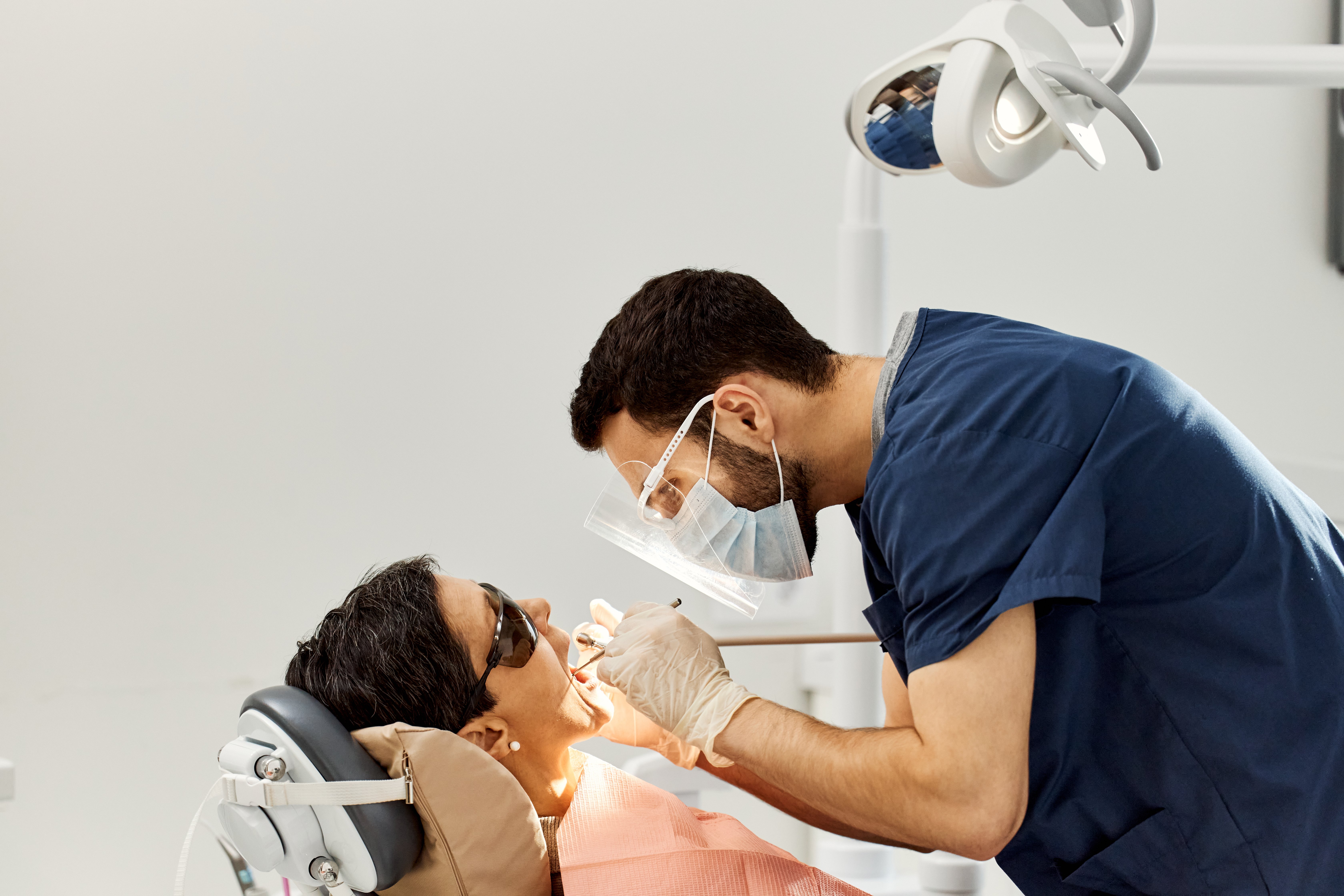
A thorough teeth cleaning in Beverly Hills is still the foundation of preventive care. What oral probiotics offer is a different layer, one that works in the days between appointments.
Everyone Talks About Gut Probiotics, So Why Are Dentists Suddenly Talking About Oral Probiotics?
The oral microbiome, the community of bacteria living in the mouth, is one of the most complex microbial ecosystems in the body. It contains hundreds of bacterial species and the balance between them matters considerably for oral health.
Gum disease isn't caused by bacteria alone, it's caused by specific bacteria in sufficient quantity, in an environment that allows them to accumulate below the gumline. Pathogens like Porphyromonas gingivalis and Treponema denticola are consistently found in elevated levels in patients with periodontitis. They're not the only oral bacteria a patient has, they're bacteria that have gained a competitive advantage in that patient's oral environment.
The probiotic approach asks: what if the competitive advantage belonged to a different set of bacteria? Beneficial strains that produce antimicrobial compounds, lower the pH in ways hostile to pathogens or compete for the same adhesion sites on oral surfaces could theoretically shift the bacterial balance without antibiotics.
Can "Good Bacteria" Really Compete With the Bacteria That Cause Gum Disease?
The mechanism is plausible and some clinical evidence supports it. Several strains have shown meaningful effects in controlled studies:
Lactobacillus reuteri has been studied specifically for periodontal applications. Clinical trials have shown reductions in gingival bleeding, plaque scores and levels of periodontal pathogens in patients using L. reuteri lozenges as an adjunct to professional treatment.
Streptococcus salivarius K12 primarily targets the bacterial causes of bad breath and throat infections but its mechanism producing bacteriocin-like substances that suppress competing bacteria is the same mechanism that could benefit the periodontal environment.
Lactobacillus paracasei has shown some evidence of reducing Streptococcus mutans counts as the primary cavity-causing bacterium in short-term studies, suggesting possible applications in cavity prevention as well.

Who Might Benefit Most From Oral Probiotics?
Not every patient is equally positioned to benefit from oral probiotic supplementation. The patients most likely to see meaningful impact are those for whom the oral bacterial environment is the limiting factor in their preventive care.
Patients with a history of gum disease who have completed periodontal treatment and are in maintenance oral probiotics as an adjunct may help maintain the healthier bacterial balance achieved through treatment.
Patients with recurring cavities despite good hygiene if Streptococcus mutans colonization is a contributing factor, strains that suppress it may reduce the rate of new decay.
Patients with chronic bad breath that doesn't resolve with professional cleaning and improved home care if the underlying cause is specific volatile sulfur compound-producing bacteria, strains with bacteriocin activity may help.
Patients who've recently completed a course of antibiotics antibiotic treatment disrupts the oral microbiome significantly.
Patients with generally healthy mouths and no recurring issues have less to gain the benefit is proportional to how much the existing oral environment is contributing to problems.
The Biggest Mistake People Make When Trying Oral Probiotics
Treating them like gut probiotics.
Gut probiotics are swallowed; they need to survive the stomach and reach the intestine. Oral probiotics work entirely differently. They need to dissolve in the mouth and come into direct contact with oral surfaces to have any effect. Swallowing them quickly or washing them down with water defeats the purpose.
Most oral probiotic products are designed as lozenges, chewable tablets or slow-dissolve strips precisely to maximize contact time with oral surfaces. The instructions specify using them after brushing before bed when saliva flow is lowest and the bacteria have the longest uninterrupted time to colonize.
Conclusion
Oral probiotics represent a genuinely interesting development in preventive dentistry one grounded in the biology of the oral microbiome rather than in marketing claims. The evidence for specific strains is promising, the mechanism is biologically sound, and the patient populations most likely to benefit are increasingly identifiable.
At Clove Dental, we stay current on the evolving evidence around preventive tools like oral probiotics. Ask us at your next appointment whether they make sense for your specific situation.
FAQs
Are oral probiotics safe to use alongside my regular dental care?
However, oral probiotics are generally safe for healthy adults and have no interactions with routine dental care.
How long do I need to use oral probiotics to see a difference?
Most clinical studies showing measurable effects used probiotics for 4 to 12 weeks. Short-term use of a few days is unlikely to produce meaningful colonization changes. Like most preventive interventions, consistency over time matters more than occasional use.
Do oral probiotics affect the results of my teeth cleaning in Beverly Hills?
Not negatively. If anything, patients with a healthier baseline oral bacterial environment may have less calculus accumulation and less gingival inflammation both of which make professional cleanings more comfortable and more effective.
Where can I find oral probiotics and how do I choose a product?
Oral probiotic products are available at pharmacies and health food stores. Look for products that specify strain designation (e.g., Lactobacillus reuteri DSM 17938), dose in colony-forming units (CFU), and are formulated as lozenges or dissolving tablets not capsules meant to be swallowed.